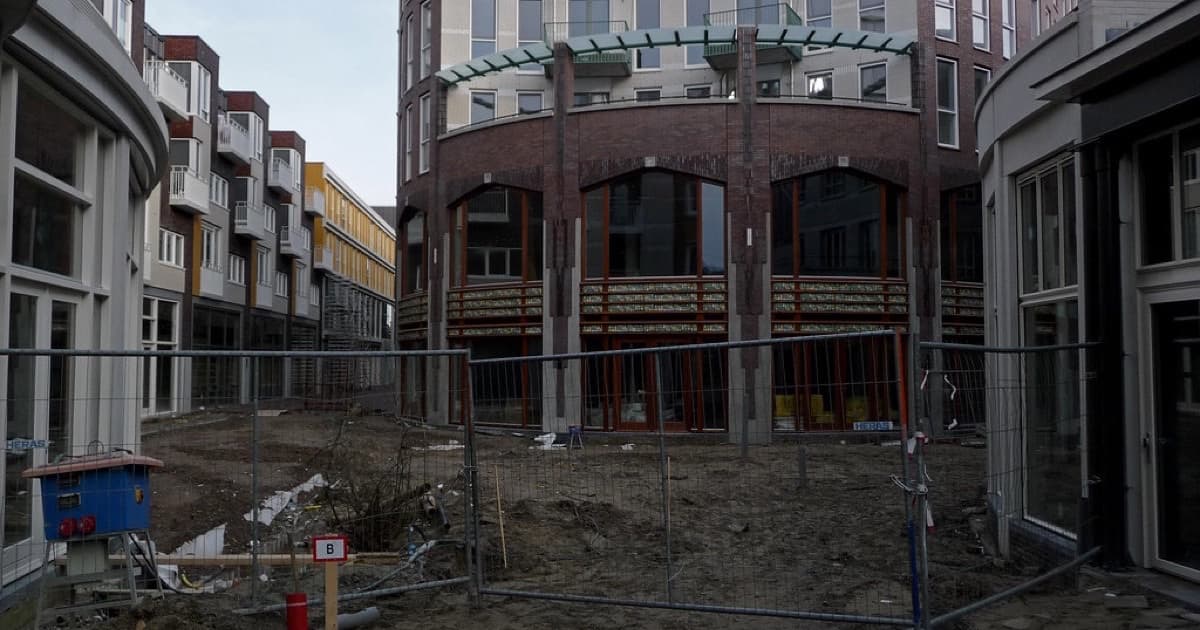
Real estate and construction content changes meaning by language. Spanish pages often serve local buyers, sellers, project teams, and institutions. English pages may serve foreign buyers, investors, and relocation searches. Portuguese pages can support regional buyers or developers with cross-border interest.
A clear strategy decides what each language must explain, not only how the same paragraph is translated. The shared facts should stay consistent: property status, location, project stage, responsible agent or developer, inquiry path, and caution around legal, tax, financing, and title questions.
Spanish should carry local process
Spanish content should explain neighborhoods, availability, viewing process, listing freshness, construction status, and who handles each inquiry. It should also make local buyer concerns visible: commute, services, family fit, documentation questions, and payment process.
English should reduce foreign-buyer uncertainty
English content should explain what can be answered publicly and what requires professional review. A foreign buyer page can describe inquiry steps, language support, documentation to ask about, and referral paths for legal or tax questions. It should not promise residency, returns, financing, or legal outcomes.
Portuguese should be intentional
Portuguese pages should exist when there is a real regional audience. They can explain project facts, buyer support, viewing coordination, and contact paths. A partial translation that omits documentation, current status, or process details creates more risk than no page.
Maintain one fact register
Use a shared register for listings, projects, agents, developments, neighborhoods, and buyer guides. When a price, status, construction phase, or contact path changes, update every affected language variant. Hidden draft metadata can record prompt, model, iteration, and reviewer without exposing that internal record publicly.
Measure by audience
Track inquiries by language and page type. If English pages produce documentation questions, strengthen the foreign-buyer guide. If Portuguese visitors ask about availability, improve project status and contact paths. Language strategy is working when each audience reaches the right next step with fewer basic corrections.
Use an audience and page matrix
The simplest planning tool is a matrix with audience on one axis and page type on the other. Local buyers, sellers, foreign buyers, investors, tenants, developers, and construction clients do not need the same explanation. Listings, neighborhood pages, buyer guides, project pages, agent pages, and service pages each carry different responsibility.
For every cell in the matrix, define the job of the page. A Spanish neighborhood page may help a family compare access and services. An English foreign-buyer page may explain how to ask documentation questions and when independent advice is needed. A Portuguese project page may support regional inquiries about availability and viewing coordination. The point is not to multiply pages; it is to make each language earn its place.
Keep calls to action language-specific
The CTA should match the page and the reader. A local Spanish buyer may need a viewing request. An English buyer may need a first orientation call. A Portuguese visitor may need confirmation that the team can support the conversation in Portuguese. A construction client may need a feasibility discussion, not a property inquiry.
This affects forms, WhatsApp links, CRM routing, and reporting. If all languages feed one generic inbox, the team loses the context that made the page useful. Preserve the page slug, language, buyer type, and topic so the first response continues from the article rather than restarting the conversation.
Review facts before translation
Translation should happen after the facts are clean. Before producing variants, review status, location names, measurements, prices, agent ownership, project stage, source links, and claims that require professional boundaries. Then translate or adapt the page with a clear note about what changed for the audience.
That review protects the content graph. If one language says a project is available and another says it is sold out, the site becomes unreliable. If English makes a stronger investment claim than Spanish, the risk is not linguistic; it is operational.
LeadWise approach
LeadWise connects web platforms, search and GEO, and digital consulting so multilingual real estate content stays consistent, useful, and measurable. OU at ou.com.py can support deeper AI review workflows when teams need translation checks or content monitoring.
Sources
Related reading: Technical Seo Foundations Before Geo For Real Estate And Construction and Content Operations For Real Estate And Construction Teams Using AI Carefully.
Article collaboration

Written by Jan Park
LeadWise · Assisted by AI
Research, structure, and editing were developed collaboratively with AI assistance.