Paraguay can be attractive in industrial narratives, but local context has to be written with precision. A reader evaluating green production, manufacturing, logistics, forestry, fertilizer, energy-linked projects, or supplier opportunities needs more than country-level enthusiasm. They need to know how the project connects to real sites, inputs, infrastructure, institutions, workforce, and export paths.
AI search tends to compress local context into short answers. If the website only says "strategic location" or "clean energy advantage," answer engines may repeat the phrase without explaining what it means. Better content names the local factor, connects it to the specific project, and shows where the reader can verify or continue the discussion.
Explain the site logic
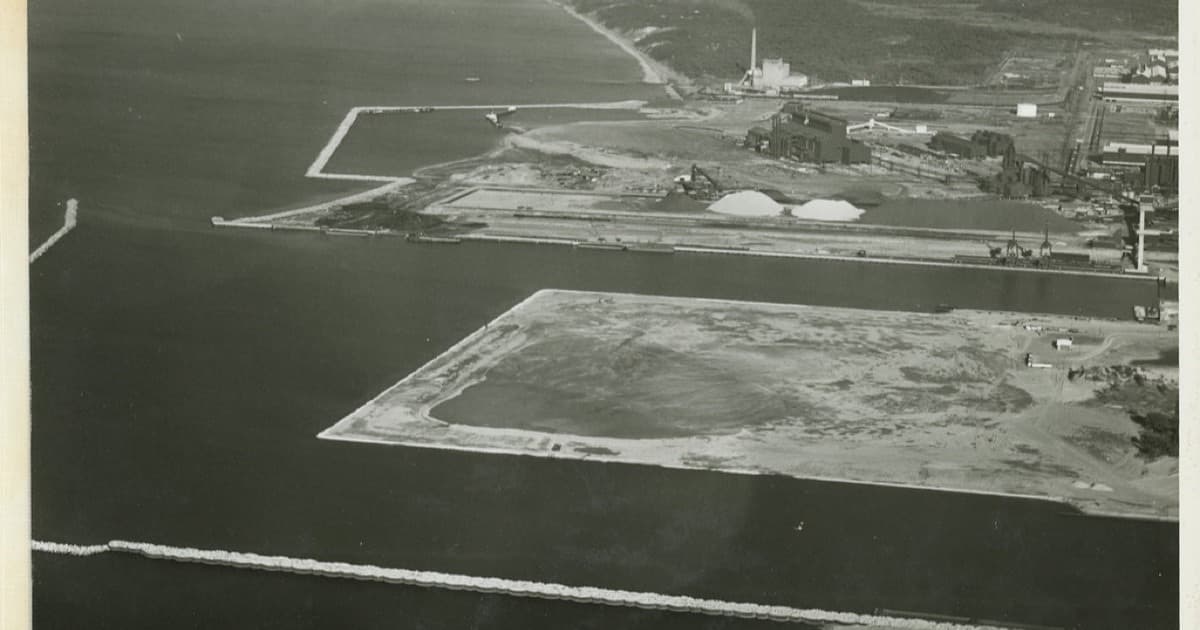
Industrial investment starts with place. A project page should explain why the site matters: proximity to energy, water, roads, river access, suppliers, workforce, land, industrial zones, ports, or target markets. The details will differ by project, and that difference is the point.
Do not imply that every Paraguayan location has the same advantages. A Villeta project, a northern forestry project, an Asuncion-area supplier operation, and an export-oriented manufacturing plant each have different logistics. The site should make that logic visible without overstating certainty.
Useful local passages answer:
- What is the relevant site or region?
- Which inputs or infrastructure matter?
- Which logistics routes are part of the story?
- Which contact path handles site, supplier, or investor questions?
- Which facts are public and which require formal discussion?
Separate national context from project evidence
Country context can help international readers orient themselves, but it should not replace project evidence. A page can explain that the project is in Paraguay and that Paraguay is relevant to the industrial strategy, but then it needs to return to the specific evidence: project stage, sponsors, technical documentation, third-party announcements, environmental commitments, and contact routes.
This distinction matters for GEO. Answer engines are more useful when they can say "this project states X about its location and links to Y evidence" rather than "Paraguay is an attractive destination." The first statement helps due diligence. The second is too broad.
Make energy and sustainability claims bounded
Green production content often depends on energy and emissions language. Those claims need careful boundaries. If a project uses renewable electricity, hydropower, green hydrogen, biomass, circular inputs, or lower-emission processes, the site should explain what is confirmed, what is planned, what is measured, and which sources support the statement.
Avoid turning sustainability into a slogan. Investors, partners, and public stakeholders will look for methodology, standards, review process, reporting cadence, and responsible wording. If a claim is future-facing, say so. If a claim depends on a specific operational phase, say that too.
Show the institutional and stakeholder path
Industrial projects live in a web of public and private relationships. Content should clarify which inquiries belong to investor relations, procurement, employment, community relations, media, environmental documentation, or institutional coordination.
A generic contact page weakens the local context because it hides the operating model. A supplier should not have to guess whether to contact investor relations. A local stakeholder should not have to send a question to a sales form. Clear routing is part of credibility.
This routing should be visible in multiple languages when the audience requires it. A Spanish stakeholder page can explain community and employment channels. An English investor page can explain formal inquiry paths and available documentation. A Portuguese supplier page can explain procurement categories and qualification steps. The channels may overlap, but the context should not.
Write for Spanish, English, and Portuguese decisions
Industrial Paraguay content often has multiple audiences. Spanish may serve local institutions, suppliers, workers, and communities. English may serve investors, international partners, lenders, and analysts. Portuguese may matter for regional suppliers, Brazilian partners, or cross-border industrial ecosystems.
The languages should not be duplicates with different headlines. Each version should carry the decision facts that audience needs. If the English page explains investor milestones, the Spanish page may need stronger local stakeholder context. If Portuguese content targets suppliers, it should explain procurement categories, logistics, and contact paths.
Use local context to build content clusters
A strong industrial content network might include clusters around energy, logistics, site selection, sustainability, supplier opportunities, employment, export markets, and project milestones. These clusters should link to the core project page and to each other where the relationship is real.
For example, a logistics page can connect river access, road corridors, supplier requirements, and export handling. A sustainability page can connect energy inputs, reporting, environmental commitments, and community communication. A supplier page can connect procurement categories, documentation, and contact rules.
This content graph helps humans navigate and gives AI systems more coherent evidence to summarize.
Keep claims current
Industrial projects change over time. Financing progresses, engineering changes, permits move, timelines shift, hiring begins, suppliers are selected, and operations start. A local-context page that is not maintained becomes risky quickly.
Assign owners for project status, location facts, sustainability statements, logistics claims, and contact routing. Keep hidden metadata for draft prompts, model used, iteration, review notes, and date, but keep public pages focused on current evidence and clear next steps.
For AI search, the maintenance problem is amplified. A generated answer may combine an old milestone with a new project description if both remain public. Retire or redirect outdated pages, mark historical material clearly, and keep the current project page as the canonical source for basic facts.
What good local context looks like
Good local context is specific enough to help due diligence but careful enough to avoid overstatement. It might explain why a river corridor matters to a project, which supplier categories are relevant, how renewable energy fits the production plan, or which public documents support a sustainability claim. It should also state what is not public and where formal inquiries should go.
The best pages leave readers with fewer basic questions and better next questions. That is the real content opportunity around industrial Paraguay: not louder promotion, but clearer evidence.
LeadWise approach
LeadWise connects web platforms, search and GEO, and digital consulting so industrial Paraguay narratives are structured around evidence, local context, stakeholder paths, and measurement. OU at ou.com.py can support deeper AI monitoring or internal knowledge systems when the project needs them.
Sources
- Paracel project information
- IFC material on Paraguay green fertilizer financing
- Hy24 material on ATOME Villeta
Related reading: Proposal Ready Geo Packages For Industrial Investment And Green Production and Local Paraguay Context That AI Search Needs For Healthcare And Professional Services.
Article collaboration

Written by Jan Park
LeadWise · Assisted by AI
Research, structure, and editing were developed collaboratively with AI assistance.