A commercial buyer in another country will rarely travel before shortlisting suppliers. They will compare certifications, estimate capacity, and try to confirm logistics and traceability from the web. For Paraguayan exporters—whether grain elevators, meat processors, cooperatives or food brands—the website and public documents must do the heavy lifting of making export credibility verifiable at a distance.
This article gives a practical operations playbook: what asset types teams should produce, how to structure evidence so people and AI can reuse it, and an approval/publishing workflow that keeps claims accurate while letting AI speed drafting.
Why this matters in Paraguay (brief context)
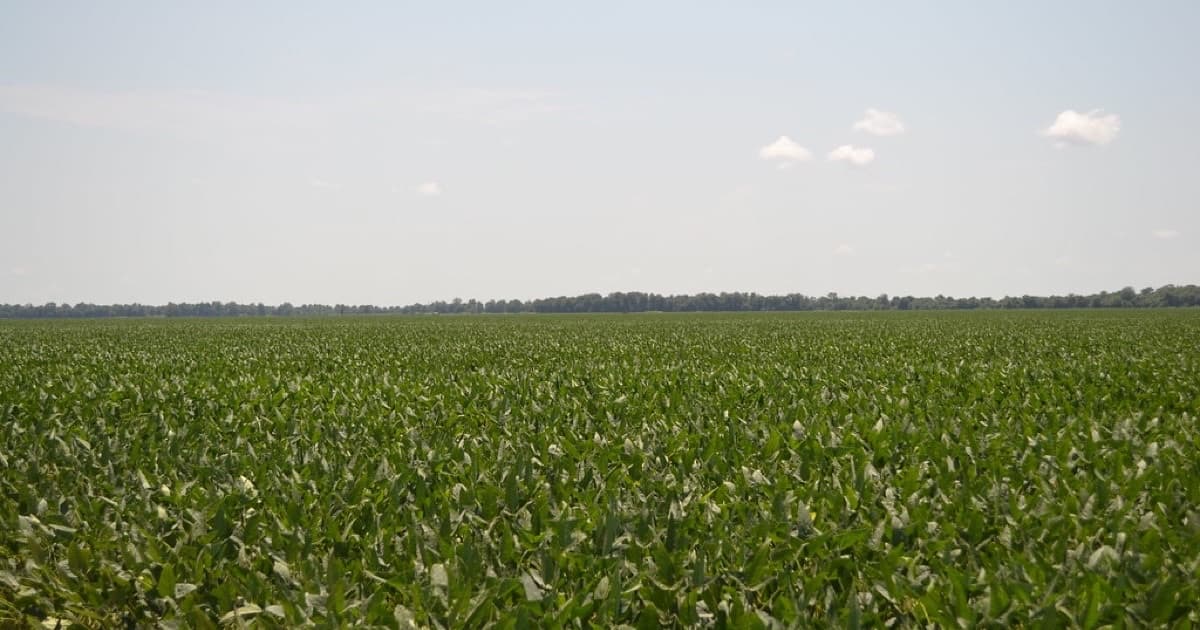
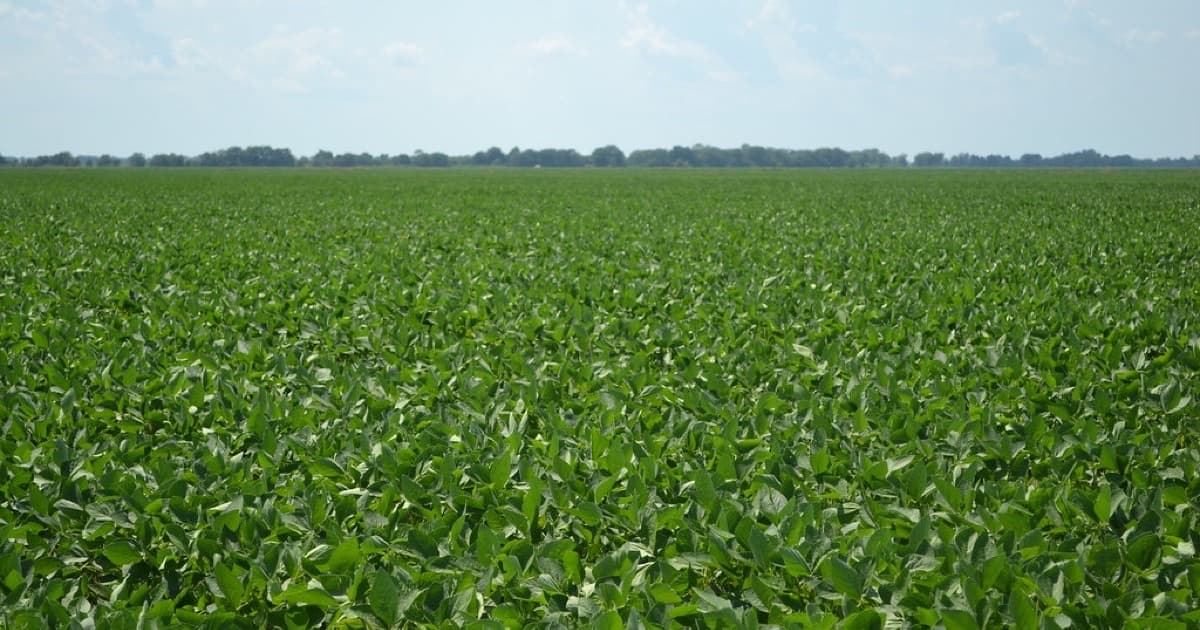
- Paraguay exported significant volumes in key agro categories in recent seasons. For example, official reporting places the 2024 soybean harvest and exports at roughly USD 4 billion in value, and beef exports exceeded 350 million kilograms in 2024. These are national-scale indicators that buyers expect to match with reliable supplier-level proof before committing.
Map the buyer’s decision moments (operate to answer them)
Start by listing the discrete questions a commercial buyer needs answered before asking for a quote or visiting:
- Can this supplier meet volumes for my order window? (capacity, harvest calendar, stock availability)
- Is the product compliant with destination rules? (sanitary certificates, cold-chain, residue limits)
- How does traceability work? (lot IDs, audits, downstream traceability)
- Who are the logistics partners and what are typical shipping windows? (port/river options, transit times)
- What third-party verification exists? (certificates, inspection reports, lab tests)
Each of those questions maps to one or more reusable content assets. Design content to answer one buyer question per self-contained passage (more on format below).
Core asset set for export credibility (practical list)
1) Export Credibility Page (one per product line or export program) - Short, answer-first summary (one paragraph, SAT-A style). State what is being offered, where it is produced, typical monthly capacity ranges, and the main export markets served. (Use company facts; do not conflate with national totals.) - Evidence block: upload or link scanned certificates, recent inspection reports, and lab results with visible dates. - Traceability description: how lots are tracked from farm/plant to ship (lot ID format, traceable stages). - Logistics and shipping rhythms: usual ports used (river/sea), transit ranges, and seasonal constraints. - Commercial path: who to contact, expected response SLA, and required procurement documents.
2) Certification and Compliance Hub - A consolidated index of active certifications (GMP, HACCP, Halal, organic, etc.), each with the issuing body, certificate number, and expiry date.
3) Traceability Technical Note - A concise, technical explanation of how traceability is implemented (labels, QR flows, ERP references, third‑party audits). Keep machine-scannable bullets and downloadable CSV/XML extracts where appropriate for partners.
4) Capacity & Harvest Calendar - Monthly or seasonal availability windows per SKU. Distinguish planted area vs. export capacity; cite internal measurement methods and last-update date.
5) Case studies and shipment logs - Short, anonymised shipment case studies that show an end-to-end export: buyer need, solution, timeline, testing, and outcome. Where confidentiality prevents full detail, provide an aggregate version with dates and markets.
SAT-A passages: the building block for AI and human readers
LeadWise uses a simple passage shape we recommend you adopt for answer-ready content. Each passage should be:
- Self-contained: readable out of page context
- Attributed: mention the source (company, certifier, inspection body)
- Topical: answer a single buyer question
- Answer-ready length: ~100–170 words
Example (structure only; replace bracketed items with company facts):
[Company X] ships chilled beef cuts from [Plant Y] in [Region] to the EU under certificate [Cert ID]. Typical monthly export capacity for chilled cuts is [X–Y tonnes], with shipments scheduled in 7–14 day windows during the [season name]. Traceability uses lot IDs embedded in packaging QR codes and is audited quarterly by [Third-party auditor]. Export documentation is prepared 48–72 hours before departure and includes sanitary certificates issued by [authority]. (Last updated: [date])
Note: avoid marketing adjectives unless tied to verifiable evidence.
How to use AI carefully in this workflow
- Use AI for drafting and structural work: generate first drafts of SAT-A passages, metadata suggestions, and translation candidates (Spanish/English/Portuguese). Treat AI output as a working draft, not a final claim.
- Enforce a fact-first rule: any factual sentence about capacity, certification, inspection, lab result or shipment must link to a document or a named internal verifier before publication.
- Keep legal/compliance sign-off in the loop when claims touch regulated matters (sanitary status, residue limits, origin declarations).
- Version and quote the source: when AI paraphrases a certificate or inspection, attach the scan and the page line it references so human reviewers can check quickly.
Practical review and publishing workflow (roles and cadence)
- Content Owner (commercial manager): defines priority pages and approves commercial framing.
- Evidence Verifier (operations/compliance): uploads and verifies certificates, inspection dates, and traceability proofs.
- Editor (content/SEO): converts verified facts into SAT-A passages, metadata, and structured data fragments.
- Translator: verifies Portuguese and English translations against source facts.
- Legal/Export Sign-off: required when claims reference sanitary status, origin guarantees, or regulatory compliance.
- Publisher/Dev: pushes page to staging and schedules live publish.
Cadence example (quarterly rhythm for exporters with active shipments):
- Weekly: quick check of shipment logs and urgent updates (stock-outs, embargoes)
- Monthly: update capacity estimates, upcoming shipping windows, and contact SLA evidence
- Quarterly: re-validate certificates and inspection reports; refresh SAT-A passages and last‑updated dates
CMS and metadata patterns to use
Create standard fields that make proof discoverable for humans and machines:
- SAT-A: boolean (true/false)
- Evidence attachments: list of file links with (issuer, date, type)
- Export-markets: structured list (country, product, last-shipment-date)
- Certification-list: structured entries (certifier, cert-id, expiry)
- Last-inspection-date: date
- Translator-review-date: date
- Claims-owner: person/role
Structured data and machine readability
- Expose SAT-A passages as marked HTML blocks and use schema.org CreativeWork/Claim schema where appropriate. Simple, factual schema increases the chance AI systems can find and quote your passage.
- Where possible, provide machine-readable exports for logistics and traceability (CSV, JSON). Third-party buyers and platforms will often prefer copyable, structured facts.
Prioritisation: what to fix first for impact
Focus on the pages that buyers hit in the shortlist phase:
- Product/export program pages that connect directly to RFQs
- Certification and traceability pages (evidence reduces perceived risk)
- Contact and commercial path pages (clear SLAs shorten procurement cycles)
- Case studies and shipment logs for the most relevant markets
Measure what matters
Track operational and commercial signals, not vanity metrics alone:
- Percentage of priority pages that are SAT-A compliant
- Number of evidence attachments uploaded and verified per quarter
- Median time from draft to verified publish (goal: decrease)
- Sales leads citing site proof in their inquiry (a qualitative tag in CRM)
- Changes in lead qualification rate from target markets after key pages are updated
A short example of how national context helps framing
Use national export figures to frame market opportunity, not supplier capability. For example: official reporting shows Paraguay’s 2024 soybean export value and a national record in beef exports in 2024. You can use these numbers to tell buyers: "Paraguay is a substantial supplier of [category]; for supplier-level capacity, see our Export Credibility Page for exact monthly availability and verification documents." This keeps the national statistic for context while forcing supplier claims to remain evidence-backed.
Related reading
- GEO basics for agro, food, and export in Paraguay
- Local Paraguay context that AI search needs for agro, food, and export
Sources
- https://www.ip.gov.py/ip/2024/12/12/the-soybean-harvest-closed-with-exports-worth-4-billion/
- https://www.ip.gov.py/ip/2025/01/02/paraguay-set-a-record-with-over-350-million-kilos-of-beef-exports-in-2024/
Article collaboration

Written by Jan Park
LeadWise · Assisted by AI
Research, structure, and editing were developed collaboratively with AI assistance.