For Paraguay agro, food, and export teams, AI visibility is useful only when it creates a cleaner path from answer to qualified commercial conversation.
That path is different from a normal brochure contact form. A buyer who finds a company through an AI answer may already be comparing suppliers, preparing an import file, checking sanitary or phytosanitary constraints, or deciding whether to ask for a sample. The page they land on should help them verify the basics quickly and then request the right document, quote, or sample without exposing sensitive information too early.
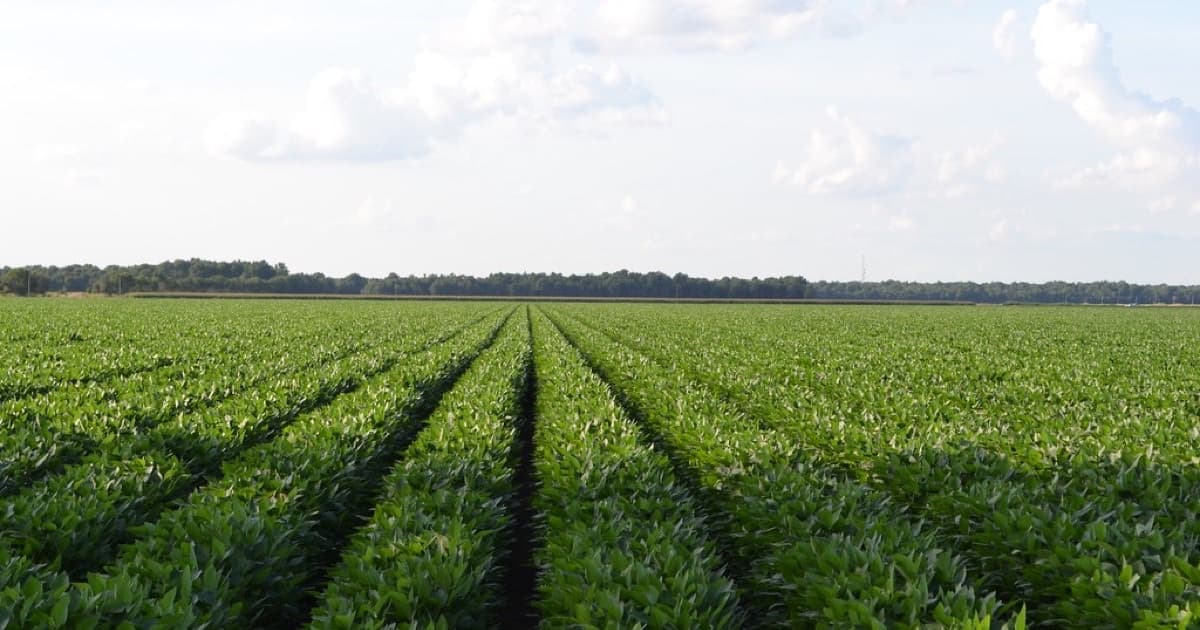
Paraguay's export context makes that discipline important. Agencia IP reported that the 2024 soybean harvest closed with exports worth about USD 4 billion, and that Paraguay set a beef export record in 2024 with more than 350 million kilos shipped. Those numbers create visibility for the country, but they do not qualify a single inquiry for an individual exporter. The work of the website is to convert that sector interest into a structured request a commercial team can trust.
Start with the buyer's next document
Many export websites ask every visitor to "contact us." That is too vague for international buyers. A buyer wants the next document that reduces risk: a product specification, certification summary, origin statement, packing format, available Incoterms, sample policy, or export readiness checklist.
The best CTA is not always "Request a quote." If the buyer is still verifying fit, a quote request can create noise. A document request CTA often works better because it separates research-stage buyers from price-ready buyers and gives the sales team a reason to ask qualifying questions.
Useful CTA examples include requesting product specifications, export document checklists, sample availability, or a quote based on volume, destination, and target shipment window. Export teams should not publish every document openly. Public pages can explain what exists and what can be requested, while the actual file exchange happens after basic buyer verification.
Make quote readiness visible
A serious buyer does not need slogans about quality. They need to understand whether the exporter can answer a quote request without starting from zero.
Product and category pages should state, in plain language, what information is needed to prepare a reliable quote. For soy, grains, oils, processed foods, beef, ingredients, or packaged goods, that usually includes product type, grade or specification, expected volume, destination country, destination port or warehouse, preferred Incoterm, packaging format, shipment window, required certificates, and whether the buyer needs a commercial sample first.
This helps in two ways. First, it reduces low-quality messages such as "send price." Second, it trains the commercial team to measure demand quality instead of counting form submissions.
A quote-ready CTA can use a short form with required fields: buyer company, website, country, product category, specification, volume range, destination, Incoterm, target shipment month, certification or traceability requirement, and whether a sample is requested. The form should also tell the buyer what happens next: commercial review, possible verification, document sharing, then quote or sample confirmation.
Treat sample requests as a commercial workflow
Sample requests are often mishandled because they sit between marketing and operations. They are not casual website messages. They can involve cost, customs, regulatory constraints, shelf-life, packaging, lab analysis, cold chain, or buyer identity checks.
An export page should state when samples are available, what information is required, and what cannot be promised until the buyer and destination are checked. A better approach is to show the review steps: confirm product category and sample purpose, verify the buyer and importer role, check sanitary or phytosanitary constraints, confirm dispatch conditions, and record the request in the CRM before sharing technical documents.
This protects the exporter and helps serious buyers prepare their own import file.
Use authority without overclaiming it
AI answer engines tend to work from public evidence. That does not mean exporters should overstuff pages with institutional names. It means they should describe their own process using verifiable public context.
For plant products and seeds, SENAVE is the national authority buyers will expect to see referenced. It publishes phytosanitary export requirement resources and describes the export certification role of its operations area. For animal-origin products, SENACSA provides public information on animal product services and exporter-related procedures. For port and river logistics context, ANNP is relevant because Paraguay's export reality depends heavily on navigation and port infrastructure.
The page should connect those authorities to buyer actions carefully. Export documentation depends on the product, destination, and official requirements. It should not imply that a company has an approval, market access, or certificate unless that proof exists.
A useful public sentence is: "For plant-product inquiries, our commercial team verifies destination requirements before confirming document availability, sample feasibility, or shipment terms." That creates a more responsible path than a generic claim about being "fully certified for all markets."
Build a document request CTA
A document request CTA should not be a file dump. It should let buyers ask for the right information while giving the exporter enough context to decide what can be shared.
The CTA can offer checkboxes for a product specification sheet, packing details, available certificates or compliance summary, traceability overview, sample conditions, and quote preparation requirements. Behind the form, the CRM should capture requested document type, product category, destination country, buyer role, verification status, source page, language, and follow-up consent. If the buyer requests sensitive documents, the status should remain "pending verification" until the team confirms the company, role, and commercial legitimacy.
This is where AI visibility becomes operational. A lead from an answer engine becomes better when the intake form captures the buyer's exact need and the team responds with the correct next step.
Verify buyers before sharing too much
Exporters need a clear buyer verification threshold. Public content can answer general questions, but detailed technical files, certificate scans, client lists, establishment identifiers, internal process photos, and traceability documents may need protection.
A practical verification workflow checks company website, corporate email domain, buyer role, destination country, intended use, product and volume fit, request history, and sales owner. For restricted materials, the team may need an NDA, controlled document link, or additional checks for fraud, sanctions, or obvious commercial mismatch.
The website can explain that certain documents are shared after commercial verification. That signals professional export handling and prevents buyers from expecting sensitive files from a generic form.
Add CRM fields that show lead quality
The CRM should make it easy to separate curiosity from qualified export demand. Standard fields such as name, email, and message are not enough.
Useful fields include product family, specification interest, destination country, destination port or city, volume range, shipment window, Incoterm, buyer role, sample requested, document requested, compliance requirement, verification status, lead source, language, and next action.
The most important field is often "next commercial step." Options might be document review, quote preparation, sample feasibility check, compliance review, buyer verification, sales call, or not qualified. This gives managers a better view of demand quality than a monthly lead count.
It also creates better content feedback. If many buyers ask for a packing detail that is absent from the page, add a public answer. If many unqualified visitors ask for restricted certificates, tighten the CTA language and verification flow. If serious buyers repeatedly ask about one destination, create a market-specific export readiness page that explains the process without promising more than the company can support.
Redact compliance content intentionally
Compliance content should be specific enough to build trust and controlled enough to avoid risk. Export teams can publish the existence of processes, standards, and document categories without publishing confidential or shipment-specific files.
Good public content includes process explanations, general document categories, certification pathways, buyer intake requirements, quality-control overview, traceability approach, and responsible contact routes. Content that may need redaction includes certificate numbers, client names, supplier identities, exact facility details, internal audit findings, signatures, QR codes, batch-level records, confidential prices, and unpublished market plans.
This distinction should be part of the publishing workflow. Before a page goes live, someone from commercial, quality, or compliance should review whether every claim is supportable and whether every visible document is safe to publish.
Design pages around the real handoff
The page should make the handoff from AI answer to sales team concrete. A buyer may discover the company through a summarized answer, but the website must do the serious work: state the product fit, explain the export path, collect the right request, protect sensitive information, and route the lead to the correct owner.
Start with the pages closest to revenue: product categories, export market pages, certification or quality pages, sample policy pages, and contact forms. Replace generic CTAs with document, quote, and sample request paths. Add fields that qualify the buyer before the first reply. Review compliance language before publishing. Measure qualified opportunities, not just traffic or form volume.
That is how answer visibility becomes export demand: not by chasing mentions, but by making the next commercial step easier to verify, easier to route, and easier to act on.
Sources
- Agencia IP: the soybean harvest closed with exports worth USD 4 billion
- Agencia IP: Paraguay set a record with more than 350 million kilos of beef exports in 2024
- SENAVE
- SENAVE phytosanitary export requirements
- SENAVE Directorate of Operations
- SENACSA animal-origin product services
- SENACSA procedures
- ANNP
Related reading: For a sensitive-services comparison, see turning AI visibility into leads for healthcare and professional services. For the export content foundation, read GEO basics for agro, food, and export in Paraguay.
Article collaboration

Written by Jan Park
LeadWise · Assisted by AI
Research, structure, and editing were developed collaboratively with AI assistance.